Trees New York has 50 years of experience in community tree planting, stewardship and education projects. 
The peak of summer is here and our trees need care!

Click below to learn how you can help.

Citizen Pruners

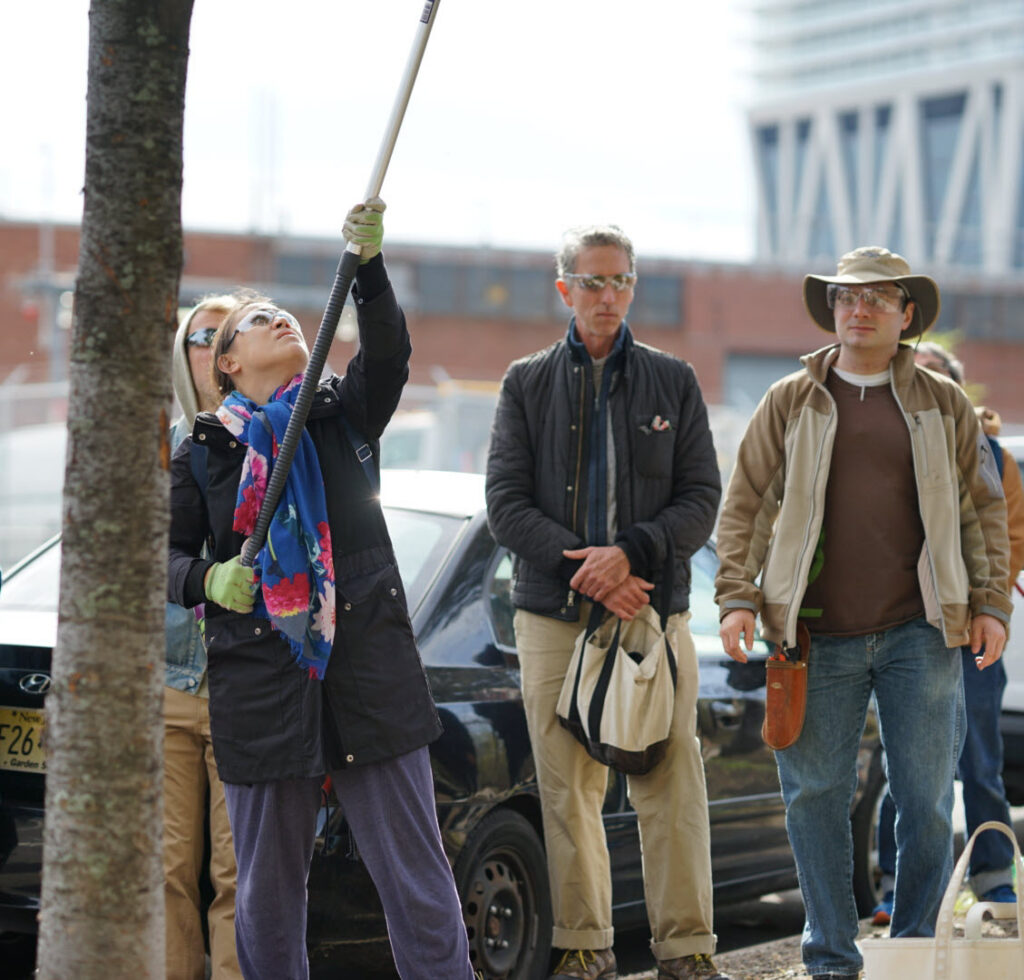
Master the art of tree pruning! Help provide essential tree care services in your community. Trees New York is the only institution designated by NYC Parks to license New Yorkers to legally prune street trees. 
Tree Planting

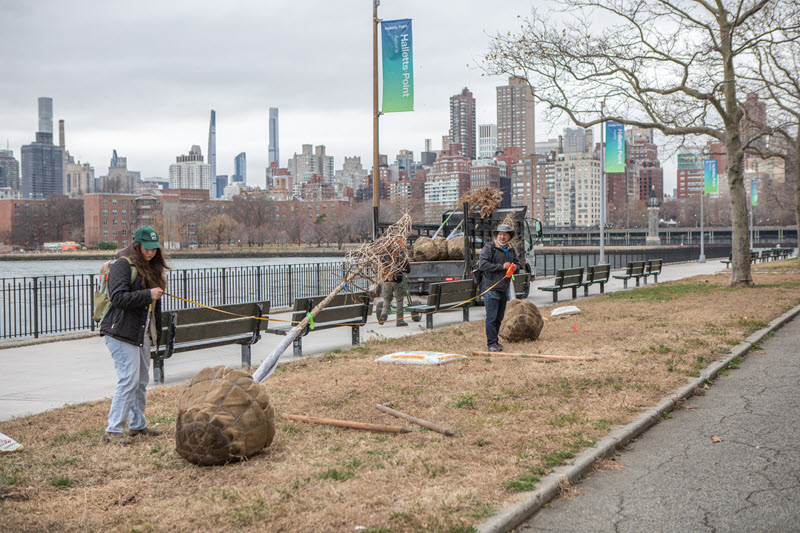
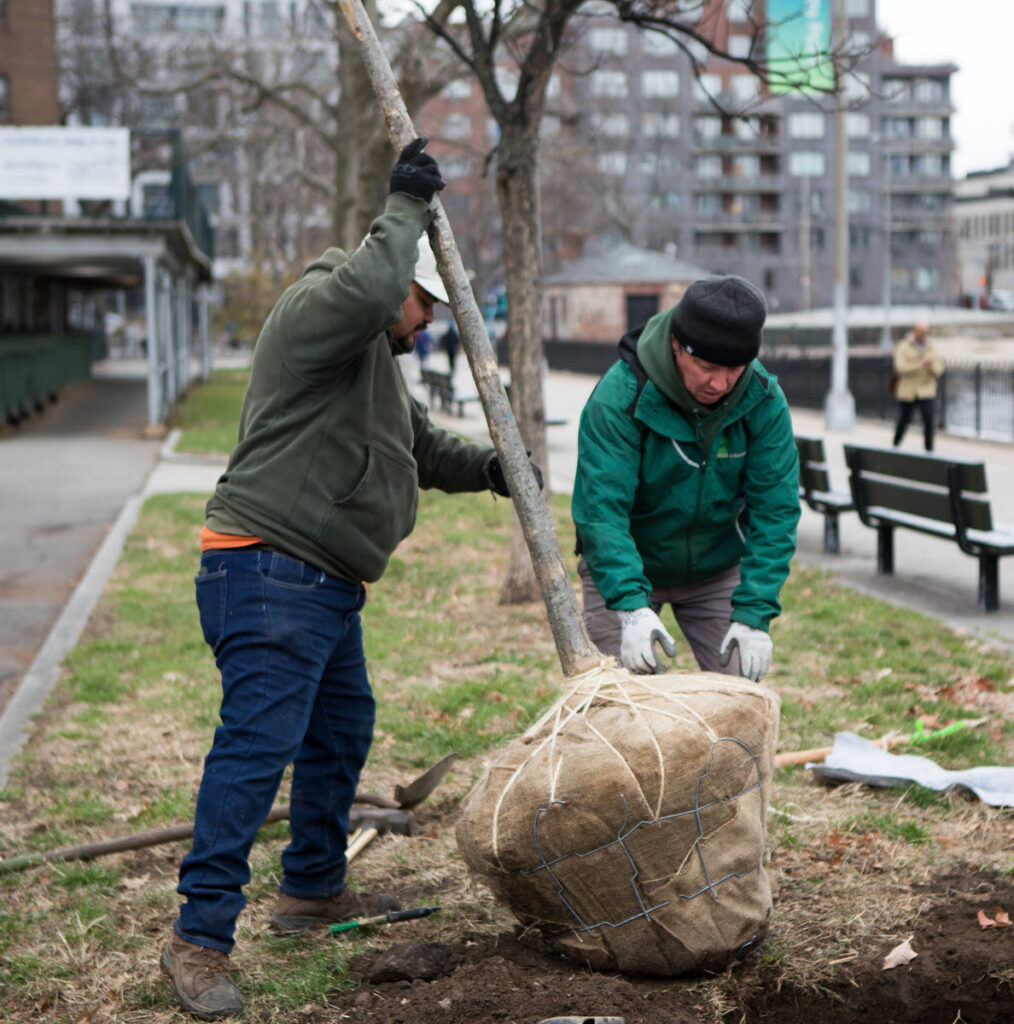
Every new tree improves the health and beauty of our city and offers a valuable learning opportunity. We support the City’s goal to increase the canopy to 30% by 2040!
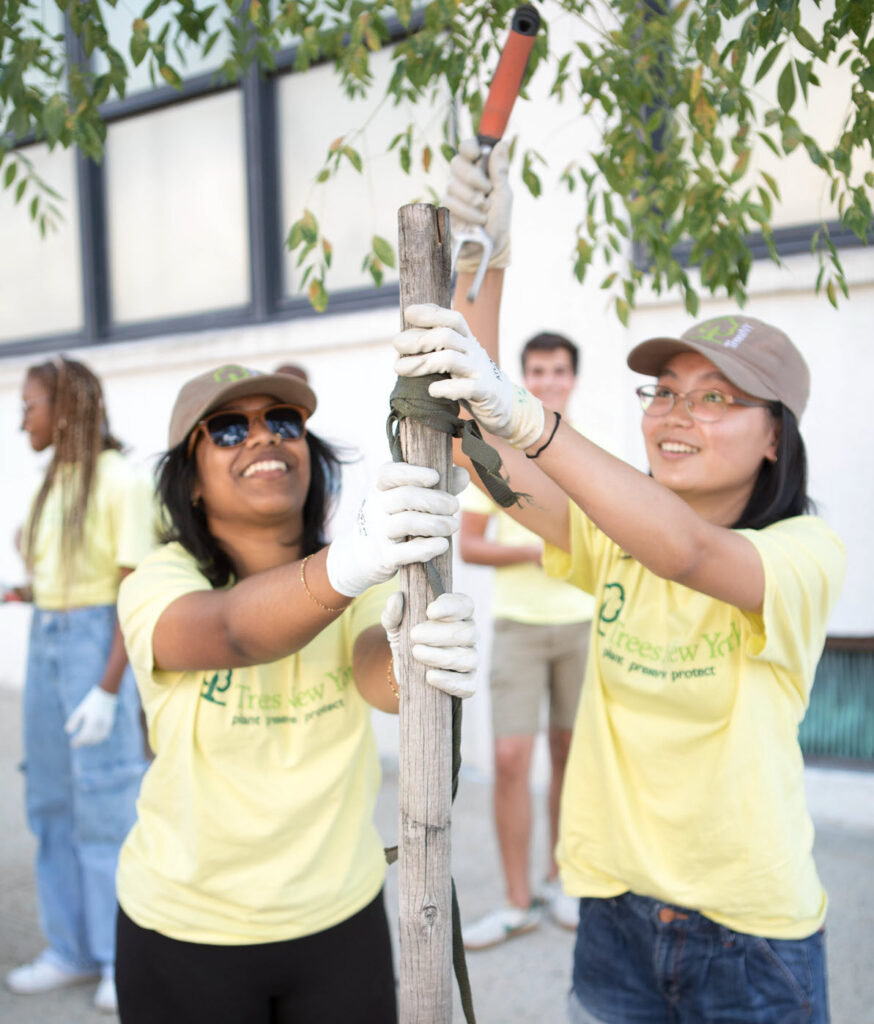
Young Urban Forester

The internship introduces interns to a range of environmental career opportunities through education, hands-on stewardship, field trips, and seminars with professionals.
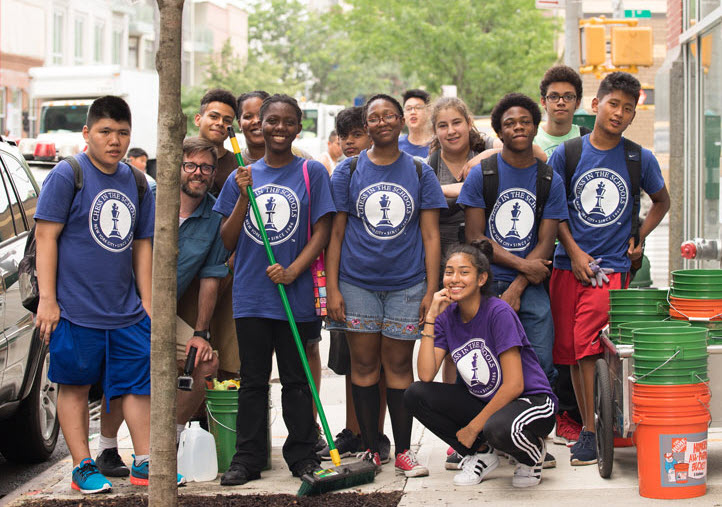
Youth Environmental Literacy

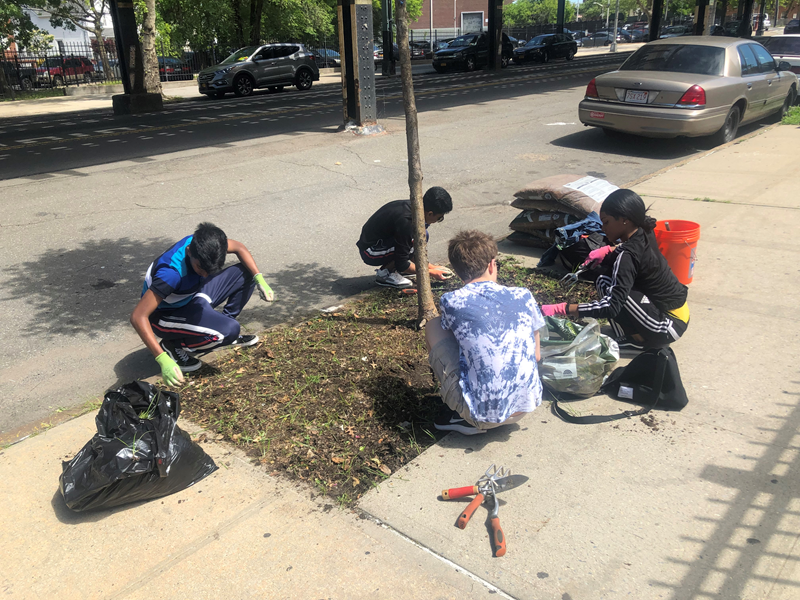
Educating and inspiring students via hands-on activities and classroom studies. Trees New York provides free lessons to schools and afterschool programs all year round!
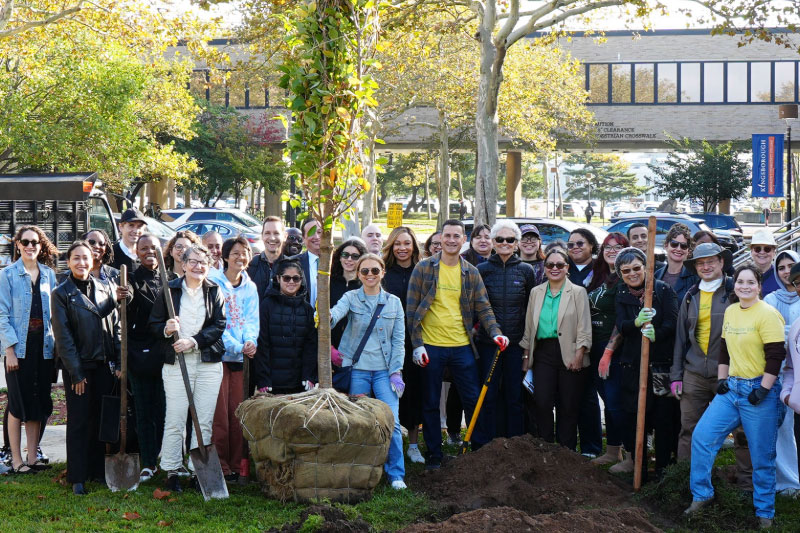
Our goal is to expand New York City’s urban forest through tree planting and stewardship.

Learn More About our Recent Projects

Trees for NYCHA

TREES FOR NYCHA: Project Funded by OAG Environmental Settlements Brings Nearly 400 New Trees to NYCHA Properties and Surrounding Streets! Attorney General James, NYCHA, and Trees New York Announce $750,000…
Read More Trees for NYCHA

Trees West Village!

We are thrilled to bring our programing to this historic and iconic neighborhood. The project consists of three components: tree planting, tree stewardship and education, and tree bed repair. Our…
Read More Trees West Village!

Trees are Critical Infrastructure

According to the NYC Parks Department, New York City is home to more than 7 million trees! This includes trees on public and private land, including street trees, backyard trees, trees in parks and plazas, and unique public spaces like our cemeteries, natural areas, NYCHA campuses, and along our waterways.


We live in an urban forest, which is not only made up of the 7 million trees across the city, but also the soil and root systems that support them, the diverse species of animals that inhabit this environment, and the people, like you, who care for the trees!
Spend time outdoors and under the canopy and explore New York City’s urban forest.  
 
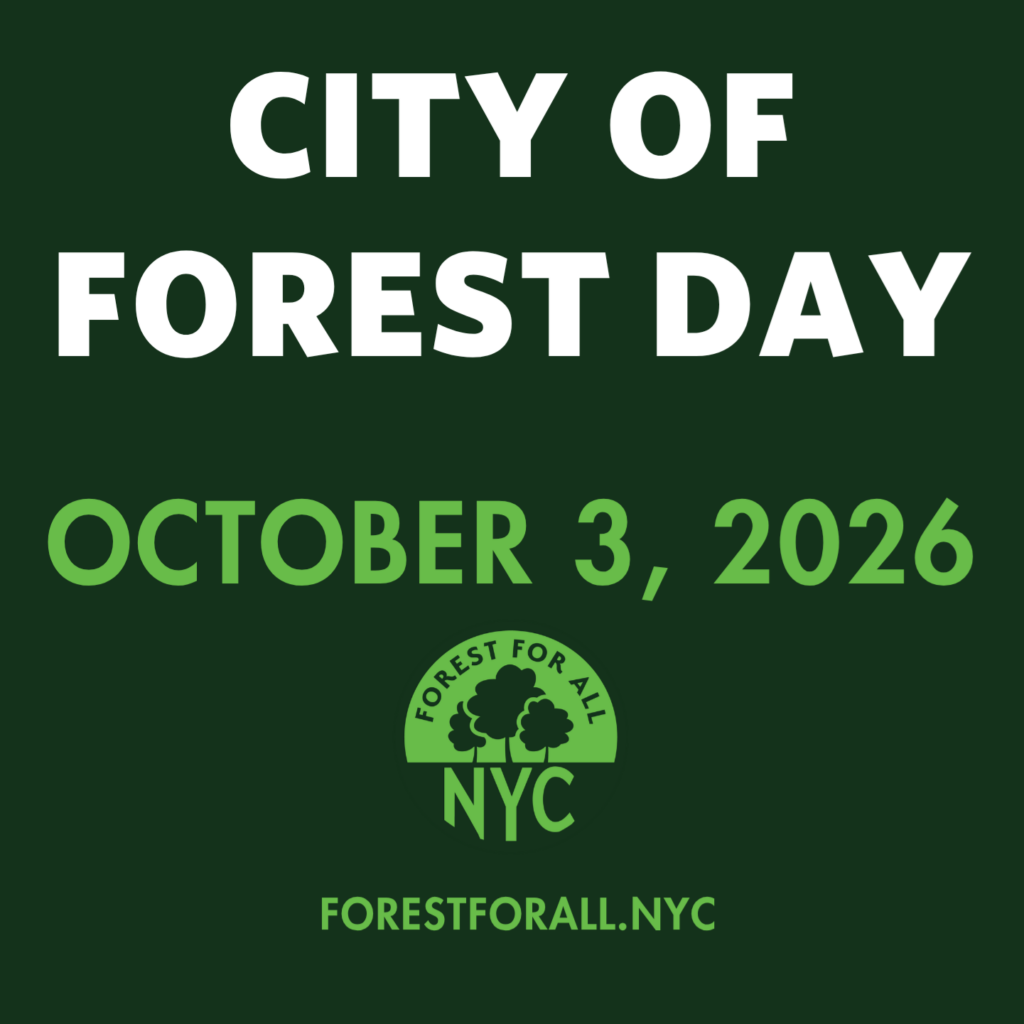
Every year, along with our Forest For All NYC Coalition members, we celebrate our urban forest on City of Forest Day.  Join us on Saturday, October 3, 2026.

Trees are critical infrastructure, and a healthy tree canopy is essential to the well-being of our residents and the vitality of our city.
 
Trees provide oxygen and clean the air by capturing carbon dioxide and airborne pollutants, including particulate matter that aggravates asthma. Trees also lower air temperatures, reducing energy demand and helping to combat climate change. Additionally, by intercepting, storing, and absorbing stormwater runoff, trees prevent billions of gallons of raw sewage and polluted stormwater from pouring into our city’s waterways each year.
 
Trees also beautify the streetscape and foster civic pride. Neighborhoods with trees encourage people to spend more time outdoors and recreate, building connections with neighbors and fostering social cohesion. Exposure to trees and nature aids concentration by reducing mental fatigue, and a robust, vibrant tree canopy helps improve mental health by reducing stress and making people happier.
 
Trees are good for business. Studies show that the more trees a business district has, the more business it attracts. Judgments of product value, product quality, and merchant responsiveness are more positive in places with trees. People are willing to travel more often, for more time, and over greater distances to a retail district with trees.


An urban heat island is when urban areas like New York City experience significantly higher temperatures than the surrounding suburbs or rural areas. Urban building materials like concrete and asphalt absorb and retain heat from the sun, causing cities to be much warmer, especially at night. Urban heat islands are intensified by dense concentrations of buildings and paved surfaces, and by reduced vegetation such as trees.
  
Trees provide shade, reducing the sun’s heat reaching buildings and pavement, which lowers surface and air temperatures.
  
Trees release water vapor into the air through a process called evapotranspiration, which cools the surrounding environment.
 
By cooling the air and absorbing pollutants, trees improve overall urban climate conditions, making cities more livable.
  
By shading surfaces and adding moisture to the air, trees play a critical role in combating the urban heat island effect and creating a healthier New York City.
  
Our tree planting projects like Greening the Bronx and Trees for NYCHA are designed to shade and cool urban heat islands. We plant large shade trees to shade heat-absorbing surfaces such as walkways, parking lots, buildings, and paved playgrounds. 

A healthy and robust urban forest supports biodiversity and creates a habitat for wildlife. Reducing monocultures and planting for diversity, including native trees, supports our ecosystem like beneficial pollination which also supports the food web for insect-eating birds and mammals.
 
For our tree-planting projects, when possible, Trees New York selects native trees that support biodiversity such as Maple, Serviceberry, Birch, Flowering dogwood, American Holly, and Sweetgum.

Check out the New York City Parks Department Native Species Planting Guide for New York City released in 2024 for some good tips on plant and tree selection for New York City.